
জীবনধারা ও শাসনধারা
সিঙ্গাপুরে ক্লান্ত শরিফ ওসমান বিন হাদি’র মৃত্যুর দিন ঢাকায় যা হলো তা ছিল সিকান্দারের আয়না, আয়নাতে দেখলাম বাংলাদেশের গত এক বছর, আর আগামী এক বছর। বাংলাদেশে দুইটা ধারা আছে: নদীর মতো জীবনধারা, আর সমুদ্রের মতো শাসনধারা। জীবনধারা নদীর মতো আঁকাবাঁকা, বহুমাত্রিক, হাজার বছর মাটির সাথে যুদ্ধ করে তৈরি, দুই পার দিয়ে বাঁধা, বিদেশের সাথে তার যোগাযোগ কম। শাসনধারা সমুদ্রের মতো বিশাল, একমাত্রিক, দিগন্ত থেকে দিগন্ত পর্যন্ত তার বিস্তৃতি, আকাশের সাথে তার আত্মীয়তা। জীবনধারা নদীর মতো মাটি কামড়ায়ে নামতে চায়, শাসনধারা সমুদ্রের মতো আকাশ ছিঁড়ে উঠতে চায়।
নির্দিষ্ট কোনো ধর্ম বিশ্বাস বা দর্শনকে জীবনবাদী, আর অন্য একটাকে শাসনবাদী বলব না। হয়ত প্রত্যেক ধর্মেই আছে জীবনধারা ও শাসনধারা, প্রত্যেক দর্শনেও। ইসলামের কথাই ধরি। এই দেশে ইসলামের জীবনধারা ও শাসনধারার মধ্যে মারাত্মক যুদ্ধ চলতেছে, বিশেষ করে গত দুইশ বছর ধরে। জীবনধারা গত এক হাজার বছরে বাংলাদেশে ইসলামের এক সমৃদ্ধ ইতিহাস তৈরি করছে। তার সাথে শাসনধারার বিরোধ সব সময়ই ছিল। কিন্তু উনিশ শতকে এই বিরোধ প্রথম বিশাল আকার ধারণ করে, এবং শাসনধারা জীবনধারাকে পুরাপুরি দমন বা ধ্বংস করা দরকার মনে করে। ইসলামের জীবনধারাকে সে ইসলাম বলেই স্বীকার করতে চায় না। শাসনধারা ইসলামের একটা এক-বাক্যের সংজ্ঞা বানায়, এবং সেই এক বাক্য দিয়ে এই অঞ্চলে ইসলামের ১০০১ পৃষ্ঠা ঘৃণার আগুনে পুড়ায়ে দিতে চায়।
ইসলামের জীবনধারা এর বিপরীতে সমান সহিংস আরেক ধারা তৈরি করছে, যেখানে শাসনধারাকে পুরাপুরি অস্বীকার করা হয়, তাকে ইসলাম বলেই মানা হয় না। নিজেদের ইতিহাসে শান্তি ও সহাবস্থানের হাজার উদাহরণ থাকার পরও জীবনধারা ইউরোপের সেকুলারিজম এমনভাবে ব্যবহার করে যে খুব সহজেই শাসনধারা তাদেরকে পশ্চিমা দালাল বলতে পারে। বিনিময়ে জীবনধারাও শাসনধারাকে পশ্চিমা দালাল বলা শুরু করে। তবে দুইটা দুই ধরনের পশ্চিম, শাসনধারার দালালি কিছুটা পশ্চিমে আরব পর্যন্ত, আর জীবনধারার দালালি আরো পশ্চিমে ইউরোপ-আমেরিকা পর্যন্ত। তবে সব সময় যে শাসনধারা অল্প পশ্চিমে, আর জীবনধারা বেশি পশ্চিমে গেছে তা না। মাঝেমধ্যে উল্টা জীবনধারাই অল্প পশ্চিমে ভারত পর্যন্ত যায়, আর শাসনধারা বেশি পশ্চিমে চলে যায় পাকিস্তান পর্যন্ত।
দুই ধারার মধ্যে ঘৃণা দিনদিন বাড়তেছেই। জীবনধারার মিঠা পানি আর শাসনধারার নোনা পানি, কোনোটাই কোনোটার চেয়ে কম ভয়ংকর না। কারণ দুই ধারার সুবিধা নেয়ার জন্যই আছে দুই ধরনের মব, দুই মবই চায় এক সময় গব হইতে, আর অন্য মবকে পৃথিবী থেকে নিশ্চিহ্ন করে দিতে। জীবনধারা বলে, বাউলের বাংলায় আলেমের ঠাঁই নাই। শাসনধারা বলে, আলেমের বাংলায় বাউলের ঠাঁই নাই। বাংলাদেশে যৌথ পরিবার অনেক বেশি থাকায় হোমলেস মানুষ কম অনেক উন্নত দেশের তুলনায়। কিন্তু এই দুই ধারা মনে করে দেশে যথেষ্ট ঘর নাই। কেউ কাউকে থাকতে দিতে চায় না। কিন্তু এই হলো খোদার বিধান যে এই দুই ধারা এই বাংলায় জমি নিয়ে মারামারি করবে আরো এক হাজার বছর। কেউ কাউকে নিশ্চিহ্ন করতে পারবে না।
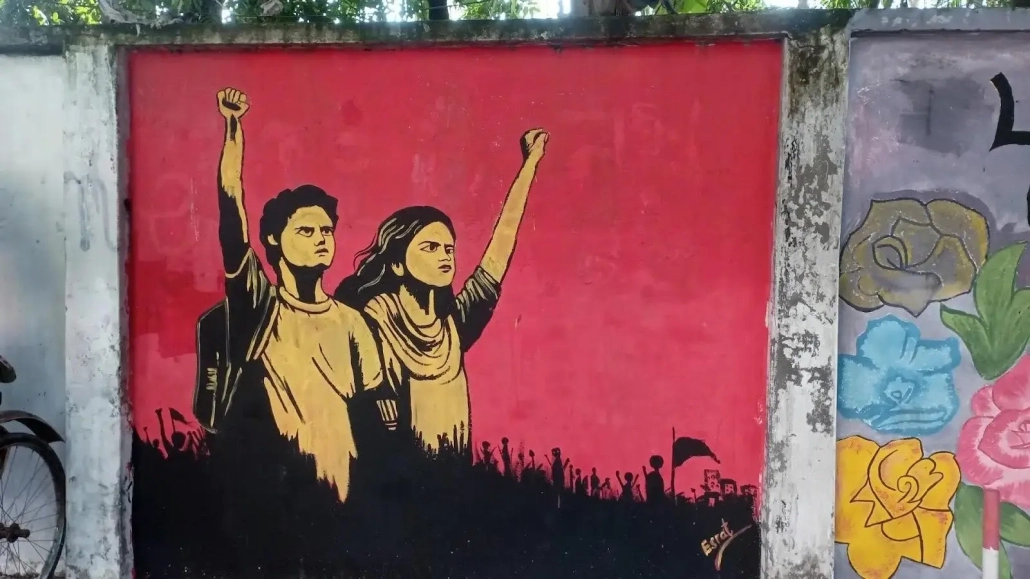
গত বছর জুলাই মাসে দুই ধারা একসাথে রাস্তায় নেমে আসছিল। আমার মতো অনেকে গেছিলেন ইসলামের জীবনধারার মানুষ হিসাবে, হাদি গেছিলেন শাসনধারার মানুষ হিসাবে। সবাই একসাথে যুদ্ধ করছিলেন জীবনধারা দিয়ে শাসনধারা রচনা করা এক দানবের বিরুদ্ধে। কিন্তু জুলাইয়ের পর জীবনধারার মানুষ কেউ রাস্তায় টিকে থাকতে পারে নাই। শাসনধারা পুরা জুলাইকে তাদের বিপ্লব হিসাবে সাব্যস্ত করে সারা বাংলাদেশের দখল নিতেছে। নিক। এই জেনারেশন ইসলামের শাসনধারার যতই ভক্ত হোক, ওদেরকে জানতে হবে, ওদের পরেও আরো হাজার জেনারেশন আসবে; জীবনধারাকে কোনোদিন নিশ্চিহ্ন করা যাবে না।
আমরা গত এক বছর এই মারামারি দেখতেছি, আগামী এক বছর দেখব, তারপর আরো এক হাজার বছর দেখব। হাদি ইসলামের শাসনধারার মানুষ, আমি ইসলামের জীবনধারার মানুষ। হাদি যত কথাই বলুক তার রাজনীতির ভিত্তি কখনো আমার রাজনীতির ভিত্তি হবে না। কিন্তু দেখে মনে হইছে হাদি শাসনধারার সেই অংশের মানুষ হতে চাইছিলেন যে-অংশ জীবনধারাকে অন্যায়ভাবে ধ্বংস করবে না। তিনি চাইছিলেন ন্যায়ের পক্ষে থাকতে। শাসনধারায় যারা ন্যায়ের পক্ষে আছেন তাদের সাথে হয়ত কোনোদিন জীবনধারায় ন্যায়ের পক্ষে থাকা মানুষের মিটিং হবে। হয়ত কোনো এক সহস্রাব্দ পরে জীবনধারার নদীর মিঠা পানি খেয়ে শাসনধারার সমুদ্রের নোনা পানিতে অভ্যস্তদের দিল জুড়াবে। ততদিন টিকে থাকুক হাদির ক্লান্তি হাফিজের এই কবিতায়:
ক্লান্ত আমার দিল দেখে ভণ্ডের আশ্রম খিরকা;
মাজির মন্দির কোথায়, কোথায় ভালো শরাব?
মাতলামির সাথে ন্যায় বা তাকওয়ার কি সম্পর্ক?
কোথায় ওয়াজের সাম আর কই সুরেলা রবাব!
দোস্তের চেহারা থেকে দুশমনের দিল কি পায়?
কই মরা চেরাগ? কই তোমার মোম, আফতাব?
হাফিজের কাছে ঘুম বা শান্তি আশা করো না, দোস্ত,
কিসের শান্তি, কিসের ধৈর্য, আর কোথায় খোয়াব?
On the day of the death of the weary Sharif Osman bin Hadi in Singapore, what happened in Dhaka was like Alexander’s mirror; in that mirror I saw Bangladesh’s past year and the coming year. In Bangladesh there are two currents: a river-like Lifestream, and an ocean-like Rulestream. The Lifestream, like a river, is winding, multidimensional, shaped over a thousand years by struggle with the soil, bounded by its two banks, with limited contact with the outside. The Rulestream, like the ocean, is vast and one-dimensional, stretching from horizon to horizon, kin to the sky. The Lifestream, like a river, wants to bite into the earth and move downward; the Rulestream, like the ocean, wants to tear through the sky and rise upward.
I will not call one specific religion or philosophy life-affirming and another rule-affirming. Perhaps every religion contains both a Lifestream and a Rulestream, and every philosophy does too. Take Islam itself. In this land, a fierce struggle between Islam’s Lifestream and its Rulestream has been going on, especially for the last two hundred years. Over the past thousand years, the Lifestream has created a rich history of Islam in Bangladesh. Its conflict with the Rulestream has always existed. But in the nineteenth century this conflict first took on a massive form, and the Rulestream came to believe that the Lifestream must be completely suppressed or destroyed. It refuses to even acknowledge the Lifestream of Islam as Islam. The Rulestream creates a one-sentence definition of Islam, and with that single sentence wants to burn a thousand and one pages of Islam in this region in the fire of hatred.
In response, Islam’s Lifestream is creating another equally violent current, one that completely rejects the Rulestream and does not accept it as Islam at all. Despite having thousands of examples of peace and coexistence in its own history, the Lifestream uses European secularism in such a manner that the Rulestream can very easily label it a Western agent. In return, the Lifestream also begins to call the Rulestream a Western agent. Yet they serve two different Wests: the Rulestream’s agency reaches westward only as far as Arabia, while the Lifestream’s agency reaches further west to Europe and America. But it is not always the case that the Rulestream stays less westward and the Lifestream goes further west. Sometimes the reverse happens: the Lifestream goes only as far west as India, while the Rulestream goes further west, all the way to Pakistan.
Hatred between the two streams is increasing day by day. Neither the sweet water of the Lifestream nor the salt water of the Rulestream is less dangerous than the other. Because to take advantage of the two streams there are two kinds of mobs, and both mobs want, at some point, to become a GOB and to wipe the other mob off the face of the earth. The Lifestream says: in the Bengal of the Baul, there is no place for the cleric. The Rulestream says: in the Bengal of the cleric, there is no place for the Baul. Because joint families are far more common in Bangladesh, there are fewer homeless people than in many developed countries. But these two streams believe there are not enough homes in the country. No one wants to let anyone else stay. Yet this is God’s decree: these two streams will fight over land in this Bengal for another thousand years. No one will be able to annihilate the other.
Last July, the two streams came down to the streets together. Many people like me went as people of Islam’s Lifestream; Hadi went as a person of the Rulestream. Everyone fought together against a monster that sought to write a Rulestream using the language of the Lifestream. But after July, the people of the Lifestream could not remain on the streets. The Rulestream has declared the entire July as their revolution and is taking control of all of Bangladesh. Let them. However devoted this generation may be to Islam’s Rulestream, they must know that after them thousands more generations will come; the Lifestream can never be annihilated.
We have been watching this struggle for the past year, we will watch it for the coming year, and then we will watch it for another thousand years. Hadi was a person of Islam’s Rulestream; I am a person of Islam’s Lifestream. No matter what Hadi said, the foundation of his politics could never be the foundation of my politics. But it seems Hadi wanted to belong to that part of the Rulestream that would not unjustly destroy the Lifestream. He wanted to stand on the side of justice. Perhaps one day there will be a meeting between those who stand for justice within the Rulestream and those who stand for justice within the Lifestream. Perhaps, after some millennium, drinking the sweet water of the river of the Lifestream will soothe the hearts of those accustomed to the salt water of the ocean of the Rulestream. Until then, let Hadi’s weariness endure in this poem of Hafez:
My weary heart looks at the lodge of the hypocrite;
where is the temple of the Magi, where is the good wine?
What relation do justice or piety have with drunkenness?
Where is the preacher’s sermon, and where the melodious rabab?
From a friend’s face can the heart of an enemy be found?
Where is the dead lamp? Where is your wax, O sun?
Do not expect sleep or peace from Hafez, my friend—
what peace, what patience, and where is any dream?
[Photo credit: Ayesha Humayra Choudhury, Debashish Chakrabarty.]

Leave a Reply
Want to join the discussion?Feel free to contribute!